Last updated November 20, 2026
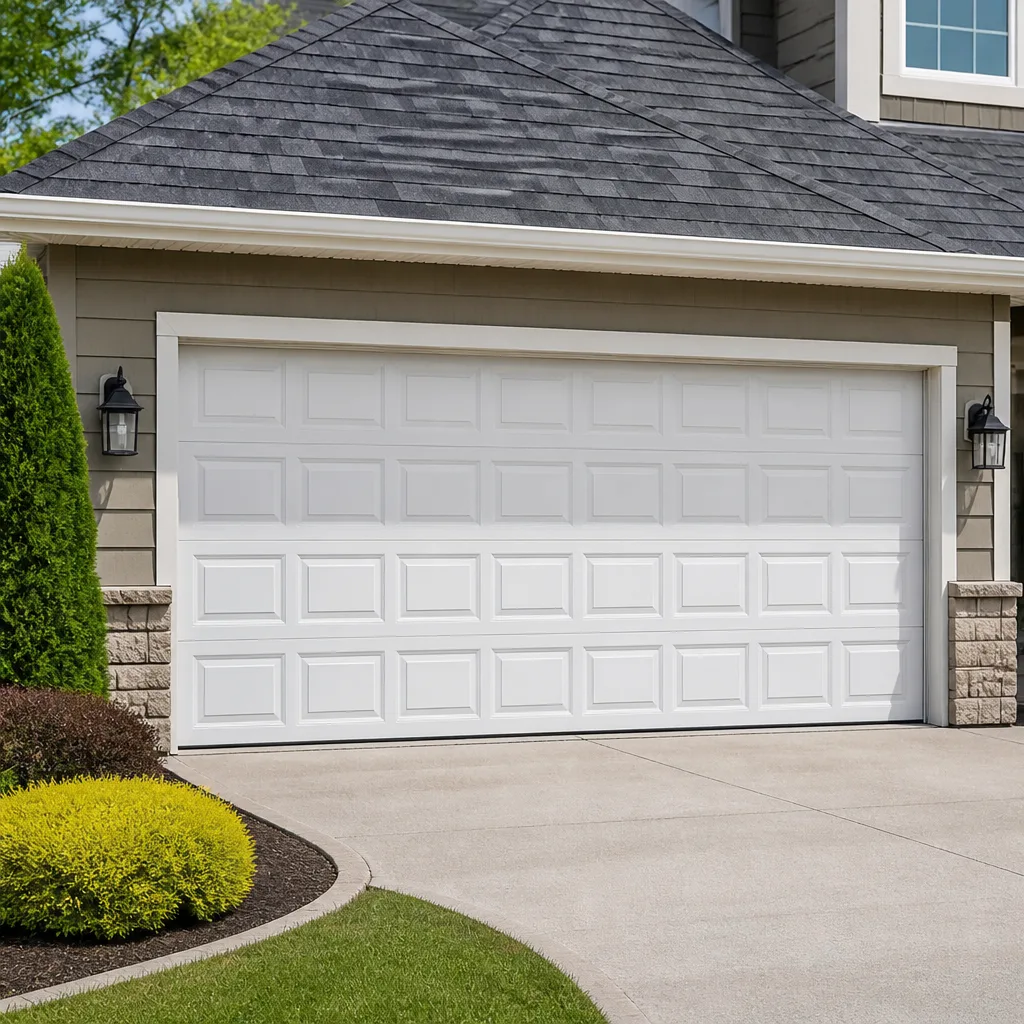 Raised-panel steel
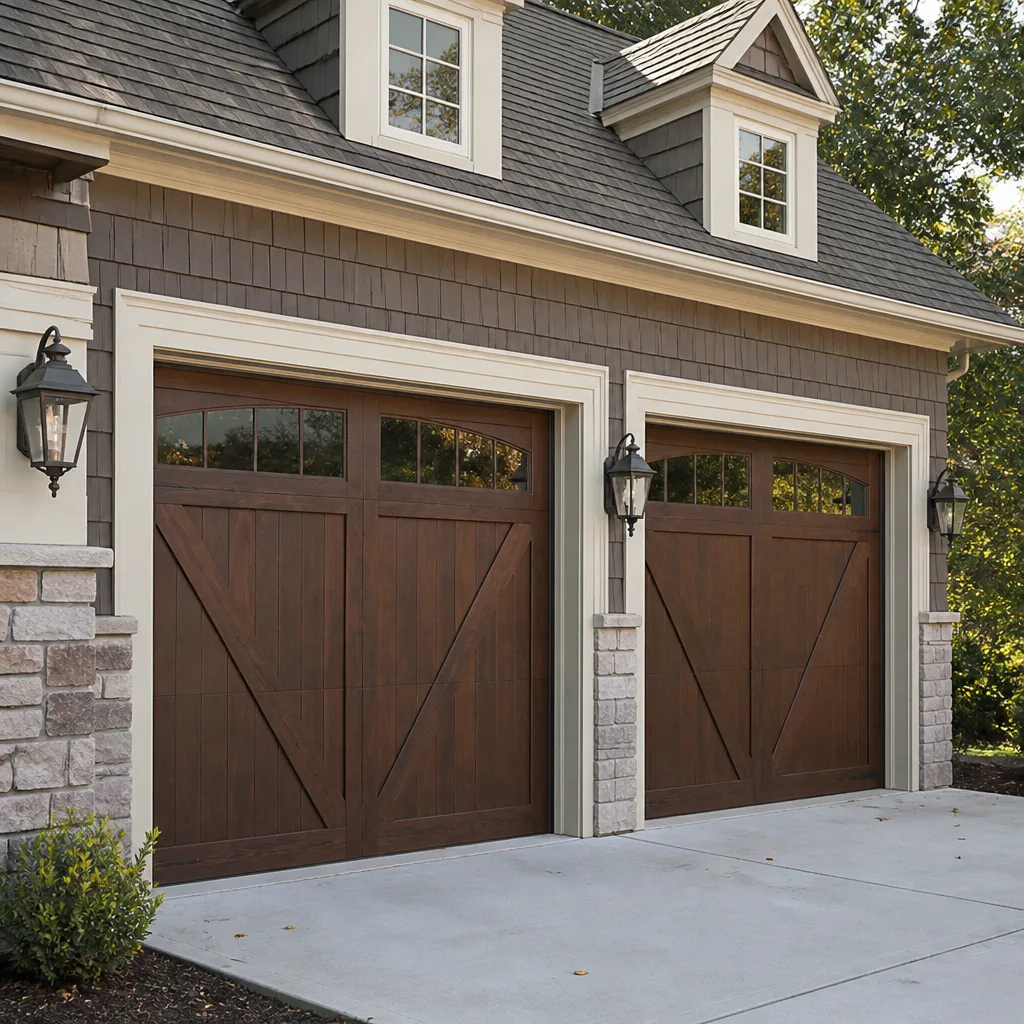 Carriage house
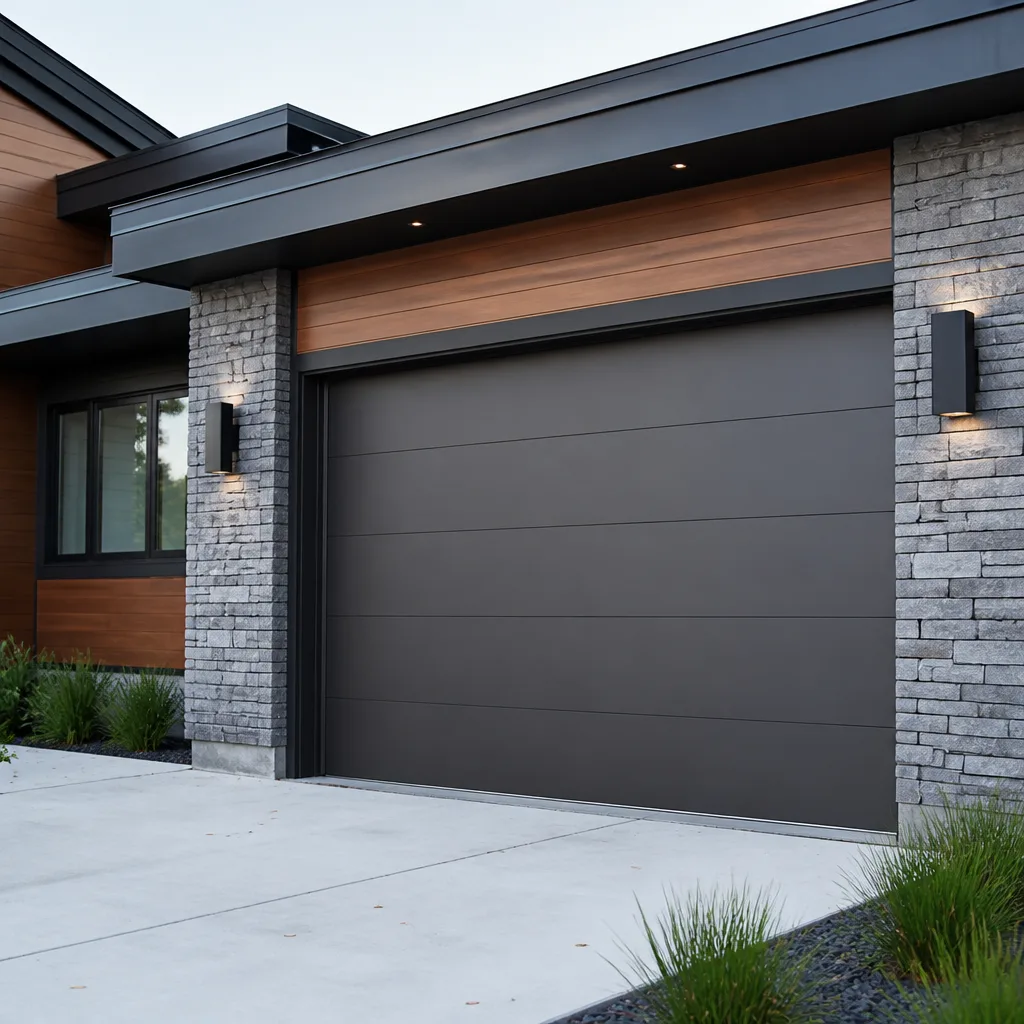 Modern flush
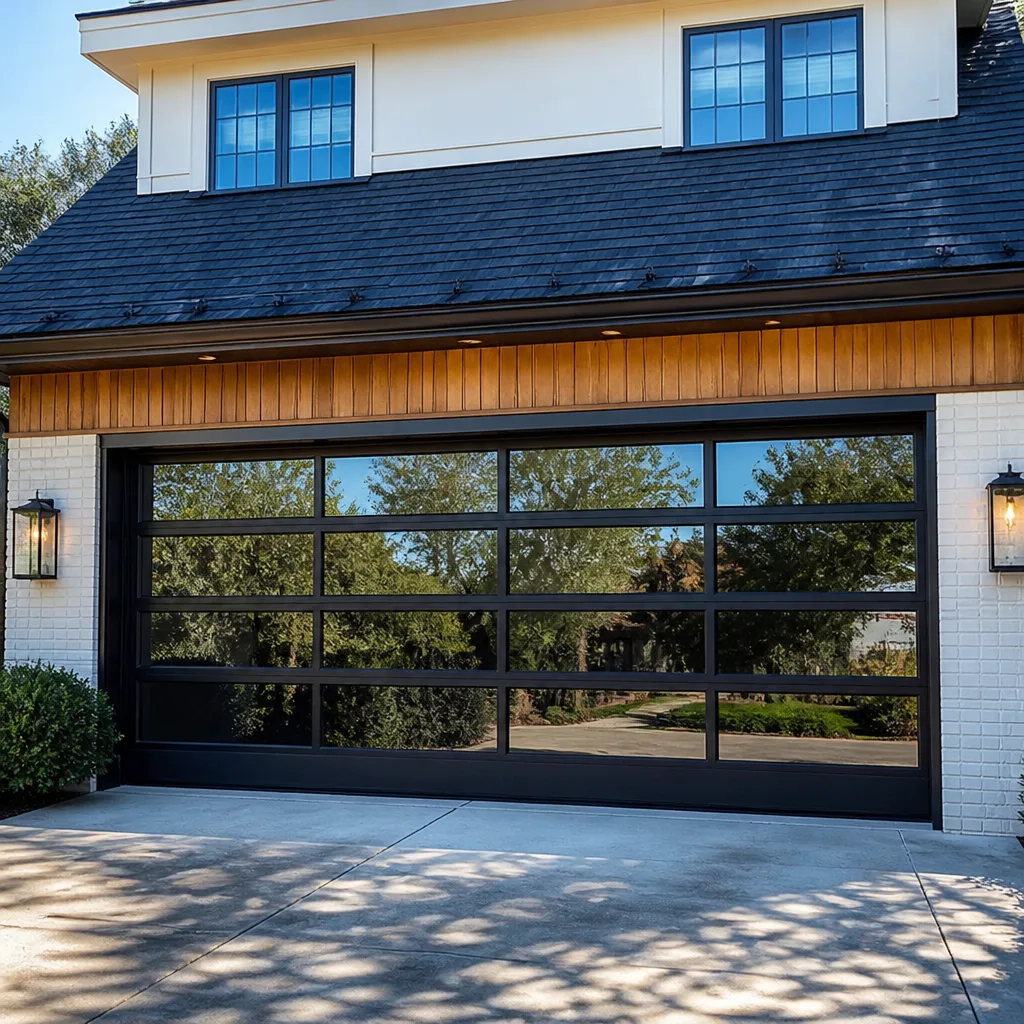 Full-view glass
 LiftMaster openers
 Chamberlain openers
Full 25-point door and opener safety check with every visit - springs, cables, rollers, tracks, and your LiftMaster or Chamberlain opener included
You get a price before we start. It does not change when the pro arrives.
Get your free estimateSeasonal Garage Door Care for Bellevue: Year-Round Homeowner’s Guide
Most seasonal garage door advice is written for places with real winters: snow load, road salt, frozen ground. Bellevue doesn’t get that weather, and the maintenance calendar that comes with it doesn’t fit here. What actually wears out a garage door in Bellevue is quieter. It’s the rain that settles in from October through March, the freeze-thaw nights that arrive in January, and the long dry, bright stretch in July and August that slowly breaks down paint and seals. Handle those three things in a sensible order, month by month, and your door lasts years longer than one maintained on generic advice. This guide walks through the whole year the way a Bellevue homeowner actually experiences it.
Quick Answer
Seasonal garage door care in Bellevue means staying ahead of moisture in fall, freeze-thaw movement in winter, and UV exposure in summer, with a hardware check each spring. If you do one thing per season – reseal in fall, watch for binding in winter, inspect paint and panels in summer, and tighten and lubricate hardware in spring – you’ll catch most problems while they’re cheap to fix.
Styles & brands we work with
- Raised-panel steel
- Carriage house
- Modern flush
- Full-view glass
- LiftMaster openers
- Chamberlain openers
Table of Contents
- Why Bellevue’s Seasons Don’t Follow the National Playbook
- The Month-by-Month Garage Door Calendar for Bellevue
- Fall: Preparing Seals, Weatherstripping, and Springs for the Wet Season
- Winter: Freeze-Thaw Cycles, Binding Doors, and Warning Signs
- Spring: The Post-Winter Hardware Inspection Sequence
- Summer: UV, Paint, and When to Refinish vs. Repaint
- What to Check Yourself and What to Leave Alone
- How Bellevue’s Climate Attacks Door Springs
Why Bellevue’s Seasons Don’t Follow the National Playbook
If you’ve read a garage door maintenance guide written for the Midwest or the Northeast, you’ve read advice built around snow, ice dams, and road salt. Some of that transfers. Most of it doesn’t. Bellevue’s climate has a very different rhythm, and the parts of your door that suffer first are not the parts those guides focus on.
The dominant feature here is moisture. Fall and winter bring long stretches of rain and damp, cool air, and that moisture finds its way into every gap on a garage door: the bottom seal, the side weatherstripping, the hinges, the torsion spring, the track fasteners. Metal that’s wet for weeks at a time starts to corrode. Seals that stay damp lose their flexibility and begin to crack. This is the quiet damage that most homeowners never notice until something fails.
Then comes winter, but not the kind other guides describe. Bellevue sits in a pattern where temperatures hover around freezing for parts of January and February, tipping just below at night and just above during the day. That freeze-thaw cycle is hard on any flexible material, and your bottom weatherstripping is the most exposed flexible material on the whole door. It moves with expansion and contraction every day the temperature crosses that line.
Summer is the third piece. From roughly July into August, Bellevue gets dry, bright weather with strong sun and long days. Painted steel and composite panels absorb UV through that stretch. Paint fades and eventually chalks. Seals dry out and stiffen. A door that looked fine in June can look tired by September, and the damage is cumulative.
Spring is the recovery season. That’s when you want to walk around the door and check everything the winter and wet season did to it. Do that reliably and you break the cycle where small wear turns into an emergency repair call. Skip it and you get the pattern we see in Bellevue every year: doors that hold up for a while, then fail all at once on a cold morning.
The Month-by-Month Garage Door Calendar for Bellevue
Here’s the practical version, laid out so you can match it to what the weather is actually doing. You won’t do everything every month – most months it’s a five-minute look – but the seasonal shifts matter and each one asks something different of your door.
- September: The last easy window before the wet season. Clean and treat the bottom seal and side weatherstripping, and check that the door closes flush across the whole floor. This is your best chance to stop moisture getting in.
- October: Test the auto-reverse and photo-eye safety features. Clear leaves and debris from the track and from the drain path outside the door.
- November: Lubricate hinges, rollers, and the torsion spring with a garage-door-rated lubricant. Listen for new noises on open and close.
- December: Watch the door on cold mornings. Any hesitation, grinding, or uneven movement is worth noting before it gets worse.
- January: This is the toughest month. Check the bottom seal for cracking, and watch for a door that binds or reverses before it fully closes.
- February: Continue the winter watch. If the door has started to move unevenly, stop using it and get it looked at – a binding door strains the cable.
- March: Post-winter inspection. Check hardware, springs, cables, and tracks for what the wet and cold months did.
- April: Tighten loose bolts and brackets. Lubricate again after the winter. This is the reset that carries you into summer.
- May: Look at the paint and finish on the door panels while the light is good. Early finish fixes are cheap.
- June: Check that seals haven’t dried out and stiffened coming out of spring.
- July: UV peak. Inspect paint and finish on the door and watch the sun-facing panels for fading or chalking.
- August: Last of the dry weather. If the finish needs attention, this is the month to plan it before the rain returns.
The rhythm to take away: fall and winter are about moisture and cold damage, spring is about catching it, summer is about sun. Everything else is maintenance in between.
Fall: Preparing Seals, Weatherstripping, and Springs for the Wet Season
Fall is the most important season to get right in Bellevue, and it’s the one most national guides underplay. When the rain returns in October and settles in, every gap on your door becomes an entry point. The goal before that happens is simple: seal what needs sealing, close what needs closing, and protect the metal that will be wet for months.
Bottom weatherstripping and side seals
The bottom seal is the strip of rubber or vinyl along the bottom edge of the door. It’s the first thing that meets the floor, the first thing that meets water, and the first thing to fail. In Bellevue it takes a beating from October onward. Before the wet season starts, run your hand along it and look for:
- Cracks, splits, or chunks missing
- Hard, brittle, or stiff sections that no longer press flat
- Gaps between the seal and the floor when the door is fully closed
- Seal sections that have pulled away from the door or the retainer
A worn bottom seal lets water, wind, and pests in, and it lets the wet air start working on the door panels and the floor edge. Side weatherstripping gets the same treatment – check it for gaps and stiffness and replace it before the rainy season if it’s gone hard.
Springs going into the wet season
Torsion springs on the top of the door live their whole lives in the damp air of a garage, and the wet season is when corrosion accelerates. Look but don’t touch – springs are under extreme tension, and handling them is a professional job, not a homeowner job. From a safe distance, check for rust spots or a rough, pitted surface. A rusty spring is weaker than it was and closer to failing. If you see heavy corrosion going into the rainy season, have a trained technician assess it. Bellevue Garage Door Repair Co handles garage door repair of spring-related problems, and our technicians have up to 14 years of experience with this kind of work.
Lubrication before the damp months
Lubricating hinges, rollers, and the spring with a garage-door-rated lubricant before the wet season does two things: it keeps moving parts moving smoothly, and it puts a barrier between wet air and bare metal. It’s a five-minute job that buys months of quieter operation.
Winter: Freeze-Thaw Cycles, Binding Doors, and Warning Signs
Bellevue’s winter might not look dramatic on the weather map, but January and February bring something that quietly damages garage doors: repeated freeze-thaw cycles. During a typical stretch, the temperature crosses freezing at night and comes back above during the day. Every cycle expands and contracts the flexible parts of the door. The bottom seal takes the most of it. The cables and the door hardware take some too.
What freeze-thaw does to the bottom seal
A rubber or vinyl seal that was soft in September can crack from repeated expansion and contraction by January. Well-made seals survive the first cycles or two, but once small cracks form, they open further each time the temperature drops. Cracks let water in, water freezes inside the crack, and the crack grows. By the end of winter, a seal that looked fine can have visible breaks along its length. If you catch it early, replacement is a minor fix. Left alone, it becomes a water path into the door and the floor.
How to spot a door that’s starting to bind
A binding door is a door that’s struggling. It can be a sign of a worn roller, a bent or misaligned track, or a cable that’s under strain. A binding door strains the cable, and if you ignore it, that’s the way cables snap – and a snapped cable is a genuine safety problem. What to watch for on winter mornings:
- The door hesitates or jerks on the way up or down
- The door opens or closes at a slight angle rather than evenly
- The door feels heavy or struggles when you lift it by hand (with the opener disengaged)
- The opener reverses, or the door stops mid-travel without a clear reason
- New grinding, scraping, or popping sounds
If you notice any of those, stop using the door. A garage door is a heavy, spring-loaded system, and a struggling door is a sign something is off that a trained eye should identify before it fails. Bellevue Garage Door Repair Co can take a look and tell you what’s happening. Call (877) 541-3559 for a free estimate. Our technicians work on all the major leading brands, so if your door runs on a LiftMaster or a Chamberlain opener, we already know how it behaves in cold weather.
What to do before a hard freeze is forecast
When a cold snap is coming, and it’s been damp and rainy beforehand, do a quick walk-around. Clear debris from the rail and the door path, and confirm the door closes flat against the floor. A seal that sits flush with no gaps handles cold better than one that’s already strained, and you’ll be able to see cracking more easily before it gets worse.
Spring: The Post-Winter Hardware Inspection Sequence
Spring is when you walk around the door and find out what the wet and cold months actually did. The idea is to catch damage before daily use turns minor wear into a repair call. The difference between a quick fix and a full repair often comes down to whether someone noticed the problem in March or waited until August.
Here’s the sequence we’d suggest, in this order:
- Start with the springs from a distance. Look at the torsion spring or springs above the door. Any rust, a rough surface, or an obviously sagging spring gets flagged for a technician. Never touch or adjust a spring yourself – the tension on it can be lethal if released wrong.
- Look at the cables. Check the cables on both sides for fraying, kinks, or slack. A cable that’s started to fray is a warning sign and worth a call.
- Inspect the rollers. Rollers should spin freely. A roller that wobbles, grinds, or is visibly flattened is due for replacement. Nylon rollers wear differently from steel ones, so note which type you have.
- Run a hand over the hinges. Look for rust, looseness, or visible wear. A hinge that’s coming loose can be tightened; one that’s broken needs replacement before it damages a panel.
- Check the track for alignment and debris. Tracks should be straight and clear. Small dents or built-up grime on the wheels can cause the door to run unevenly.
- Look at the bottom seal and weatherstripping again. Note any cracking the winter brought on, and plan replacement before the summer sun hardens the rubber further.
- Test the safety reverse. Put a small object in the door’s path and confirm the door reverses. If it doesn’t, stop using the door and get the opener checked.
- Tighten and lubricate. Once everything is checked, tighten loose bolts and apply lubricant to hinges, rollers, and the spring.
If you’d rather have a trained set of eyes do this once a year, that’s the smartest way to use your spring budget in Bellevue. Visit Bellevue Garage Door Repair Co and we’ll take a look. Our technicians have up to 14 years of experience on this stuff and can tell the difference between normal wear and something that needs fixing now.
Summer: UV, Paint, and When to Refinish vs. Repaint
Bellevue summers are dry and bright, and that stretch from July into August is the hardest test your door’s finish will face all year. UV light breaks down paint, seals, and composite panels. A door that was painted a few summers ago can look chalky, faded, or rough by the end of a hot stretch, and the damage builds year over year. The fix isn’t complicated, but the timing matters.
What UV does to a door
On steel doors, UV fades the paint and eventually causes chalking – that powdery film on the surface. Chalking looks cosmetic, but it means the paint has lost its protective function, and bare metal will start to corrode underneath. On composite or wood-composite doors, UV dries out and breaks down the outer coating, which opens the door to moisture damage. On seals, UV hardens the rubber, so a seal that was soft in June can be stiff by August. By fall, the stiff seal cracks. That’s why summer care isn’t just a cosmetic issue – it feeds directly into fall moisture problems.
Refinish vs. repaint: which one you need
The right answer depends on what condition the finish is in. As a general rule:
- Refinish when the paint is intact but faded or dull, with no cracking, peeling, or bare spots. A clean and a fresh topcoat will protect the panel and restore the look.
- Repaint when the paint is cracked, peeling, blistering, or worn through to metal. That’s a sign the existing coating has failed, and a new finish over a failed one won’t hold.
If the finish is intact but dry, refinishing in early summer, before UV peaks, gives the paint the best protection through the hot stretch. If the finish is already failing, plan a full repaint and take care of it before fall brings the rain back. Either way, do the work in the dry season – July or August in Bellevue – so paint and sealants cure properly.
While you’re thinking about the finish, check the seals again. Summer is when they go stiff, and paying attention now means replacing them before they fall apart in the fall rain. A Genie or Chamberlain opener running smoothly is one thing, but a stiff, crack-prone seal is a problem regardless of how good the opener is.
What to Check Yourself and What to Leave Alone
A lot of garage door maintenance is safe for a homeowner to do. Some of it genuinely isn’t, and it’s worth knowing the difference before you start. Here’s the line.
Safe for a homeowner
- Visual inspection of the door, panels, finish, and hardware
- Lubricating hinges, rollers, and the spring with the door closed
- Tightening loose bolts and brackets
- Cleaning tracks and removing debris
- Checking the door’s balance by hand (with the opener disengaged)
- Testing the auto-reverse and photo-eye features
- Replacing the bottom weatherstripping on a door that’s balanced and safe
Leave to a professional
- Any adjustment, replacement, or removal of the torsion spring or extension springs – these are under extreme tension and are dangerous to handle
- Any cable repair or replacement
- Track straightening or realignment if the door is off-level
- Opener repair or replacement if the mechanism is failing
- Any repair to a door that’s currently binding or hanging unevenly
Springs are the single most important item on that second list. Some homeowners see a spring DIY video and think it’s manageable. It isn’t. A torsion spring carries hundreds of pounds of stored tension, and releasing it the wrong way can injure or kill someone. This is the one part of your door where the professional call isn’t about convenience, it’s about safety. If you’re not sure whether your door has a spring problem, that’s a reason to call, not a reason to get a wrench. We treat spring repair as its own specialized service for exactly this reason – our technicians have up to 14 years of experience and know how to do it safely.
For the rest – anything involving a malfunctioning opener, a broken panel, a door off its track, or a door that’s made a sudden loud noise – it’s worth having a trained technician look at the whole system. Bellevue Garage Door Repair Co covers garage door opener repair and the rest of the door under one call, so you’re not juggling a separate company for each part. Whether your opener is a LiftMaster or a Genie, or the door needs a full replacement, we handle the whole system.
How Bellevue’s Climate Attacks Door Springs
Spring failures in Bellevue show a clear seasonal pattern, and once you understand why, the maintenance calendar makes a lot more sense. Springs don’t fail because of a single cold day. They fail because of the cumulative corrosion that built up through the wet season, and then the cold months finish the job. The spring on your door is a metal part that’s under constant tension. While it’s holding that tension, every bit of moisture, and every freeze-thaw cycle, is working on the metal.
The corrosion cycle, season by season
- October through December: Wet air, long damp stretches, and condensation in the garage. The spring’s surface starts to rust, and the corrosion is slow and easy to miss.
- January through February: Freeze-thaw cycles. Water that’s gotten into corrosion pits freezes and expands, widening the pits. The spring gets weaker.
- March through April: The spring runs through spring weather with the accumulated damage. It’s still holding the door, but it’s closer to its limit than it was in the fall.
- The failure point: A cold morning when the weakened spring finally gives. That’s the pattern behind the spike in failures in January and February – and why a spring check in the fall and an inspection in the spring are worth doing.
The lesson isn’t that you need to do something heroic in winter. It’s that the fall check and lubrication, and the spring inspection, are the two points where you can break the cycle before it becomes a broken spring and a stranded car. If your door has a spring you can see is rusty or has a rough surface, have it looked at. A trained technician can tell you whether it’s fine or due for replacement. A Raynor or Clopay door with a well-maintained spring will run smoothly for years; the same door with a rusty spring can fail on any cold morning.
Why this matters in Bellevue specifically
In a drier climate, spring corrosion is a slow, minor concern. In Bellevue, the wet season is long and dependable, and so is the winter cold snap. That combination turns springs into a real seasonal risk, not a theoretical one. If you’ve ever wondered why so many doors fail in the middle of winter, this is the answer: the wet months did the damage, and the cold months triggered it. Every bit of preventive care – clean and lubricate in the fall, inspect in the spring – pushes back against that pattern.
If you need a new door, don’t wait for the spring to fail on a cold morning. A garage door installation is something we can plan and schedule with a written price, and if the existing door is at the end of its life, it’s worth a conversation now rather than an emergency later.
Common Mistakes to Avoid
- Following winter advice written for snowy climates. Guides from other parts of the country focus on snow load and road salt, but Bellevue’s real threat is moisture and freeze-thaw, so the seasonal focus needs to shift accordingly.
- Waiting until the door breaks to think about springs. A spring that’s rusty going into the fall is already weaker, and the winter months will finish it. Check in the fall, not after the door fails.
- Ignoring a door that’s starting to bind. A binding door strains the cable, and in winter the strain builds. If it’s hesitating or moving unevenly, stop and get it looked at.
- Declaring the bottom seal fine because it “looks okay.” Seals crack from freeze-thaw well before the crack is obvious. Run your hand along it in the fall and the spring, and you’ll catch the problem before water does.
- Skipping summer finish care because the door “still looks fine.” UV damage is cumulative. A little fading in July turns into chalking and bare metal a couple of summers later. Refinish while the paint is intact.
- Trying to adjust a torsion spring yourself. Springs store enough force to cause serious injury. Never attempt to release or adjust one. This is the one job that always belongs with a trained technician.
- Assuming an old opener’s problems are the door’s fault. A Craftsman unit that’s 15 years old may be the actual problem, not the door. Have the opener tested before you spend money on the door.
See the difference
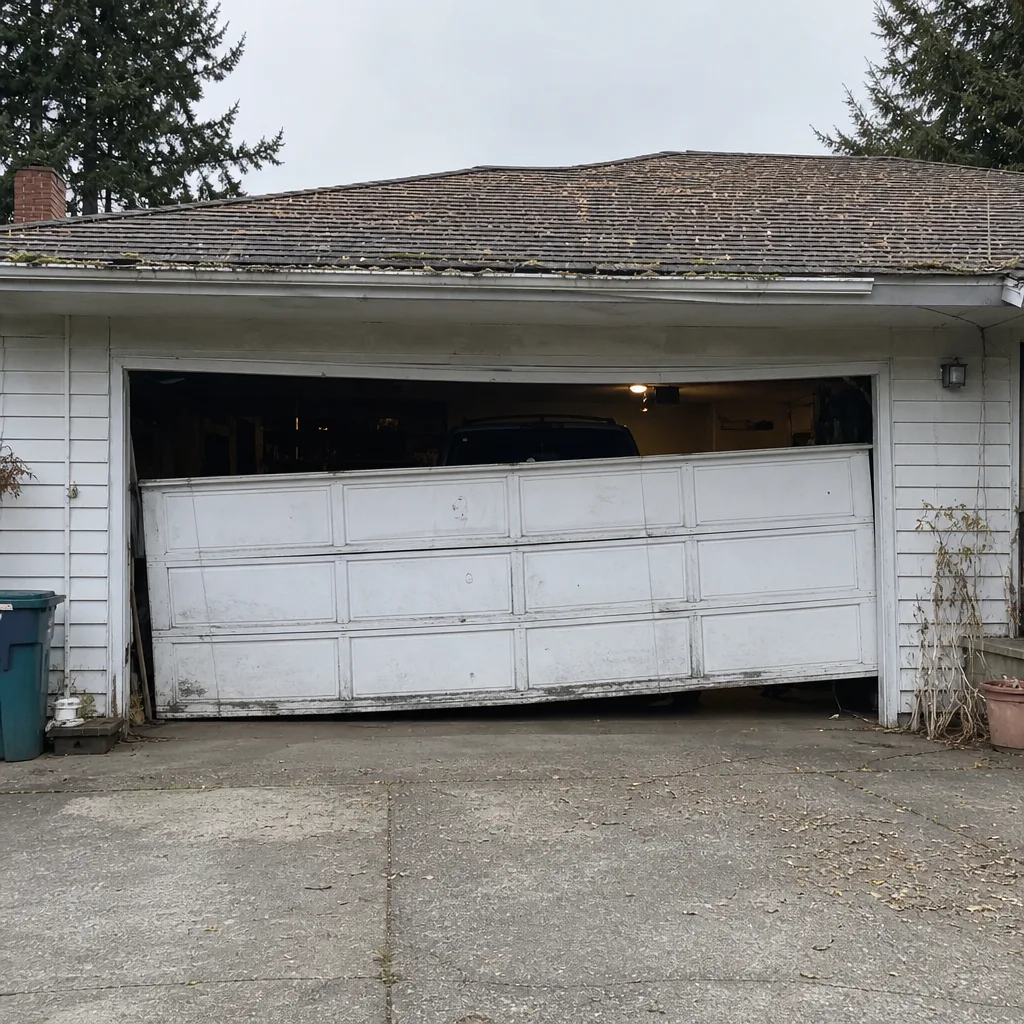 Before
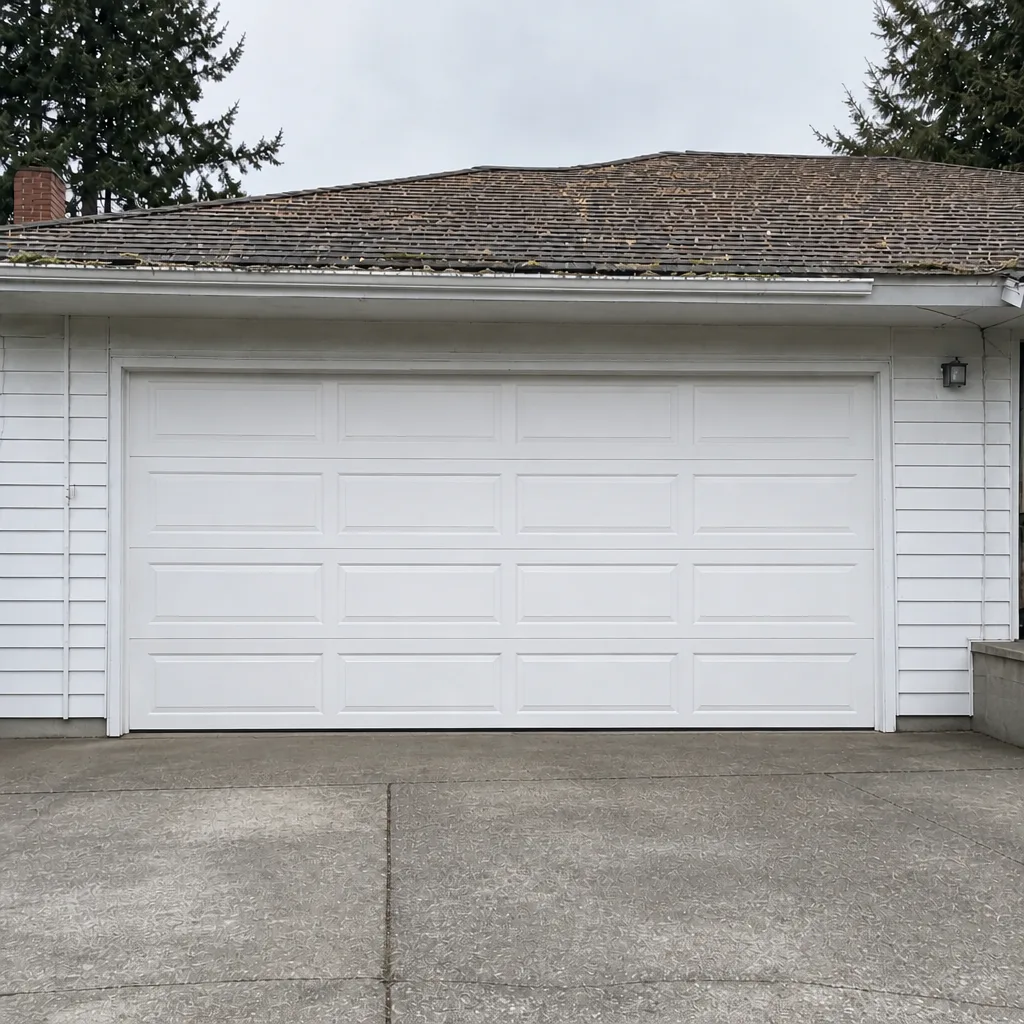 After
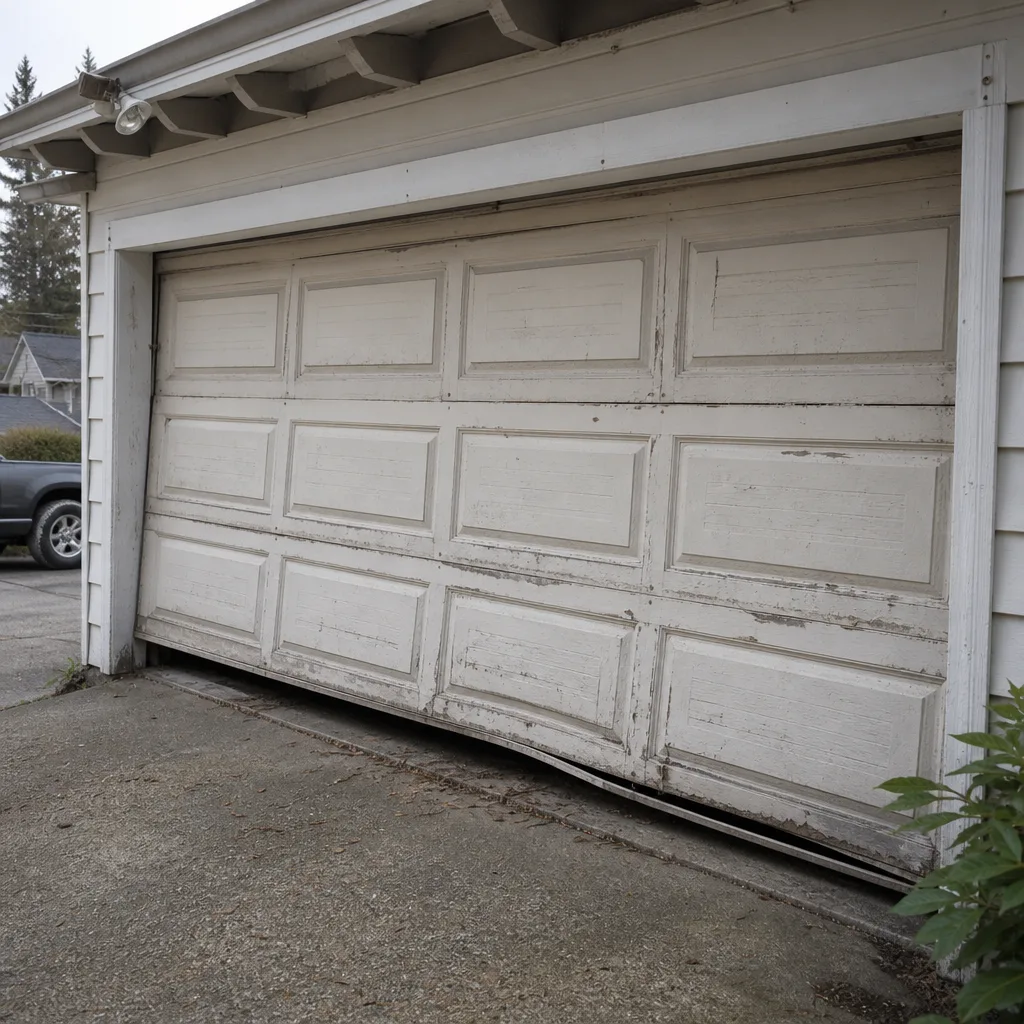 Before
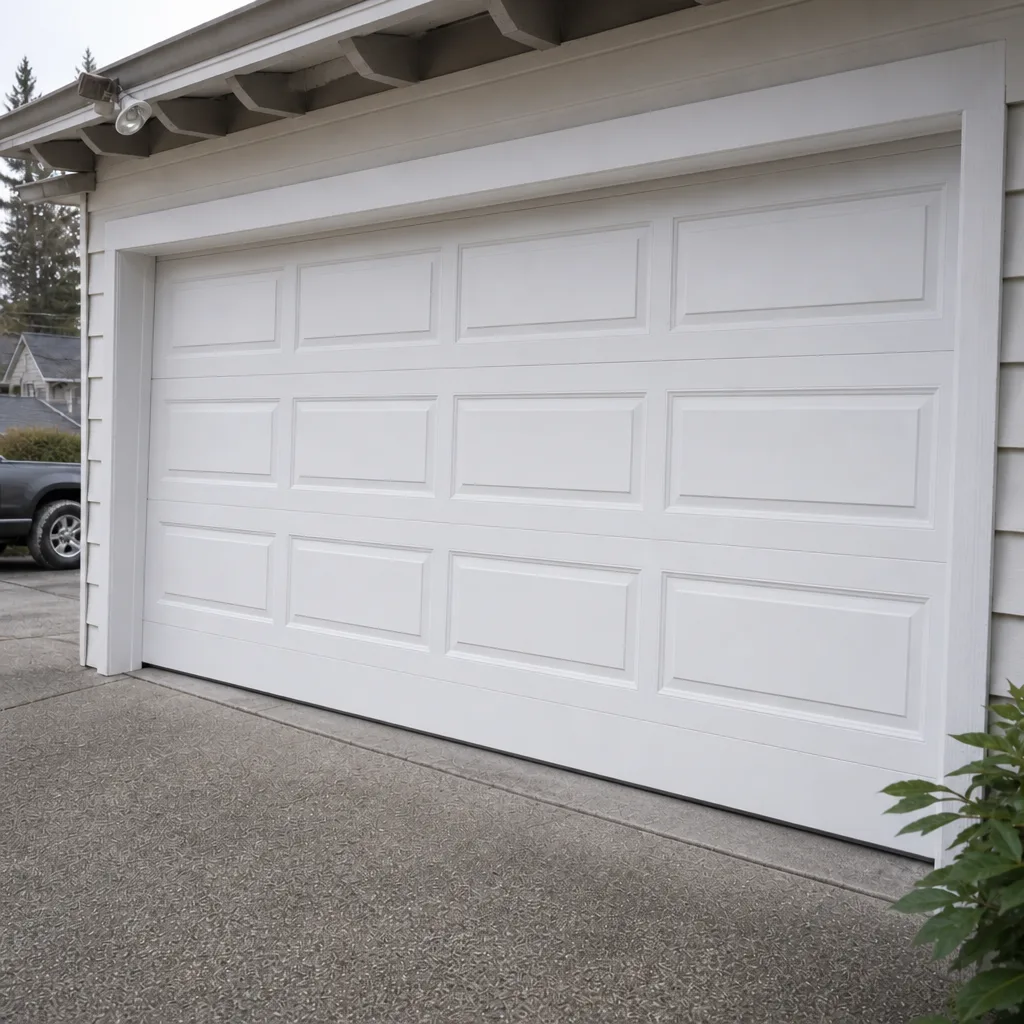 After
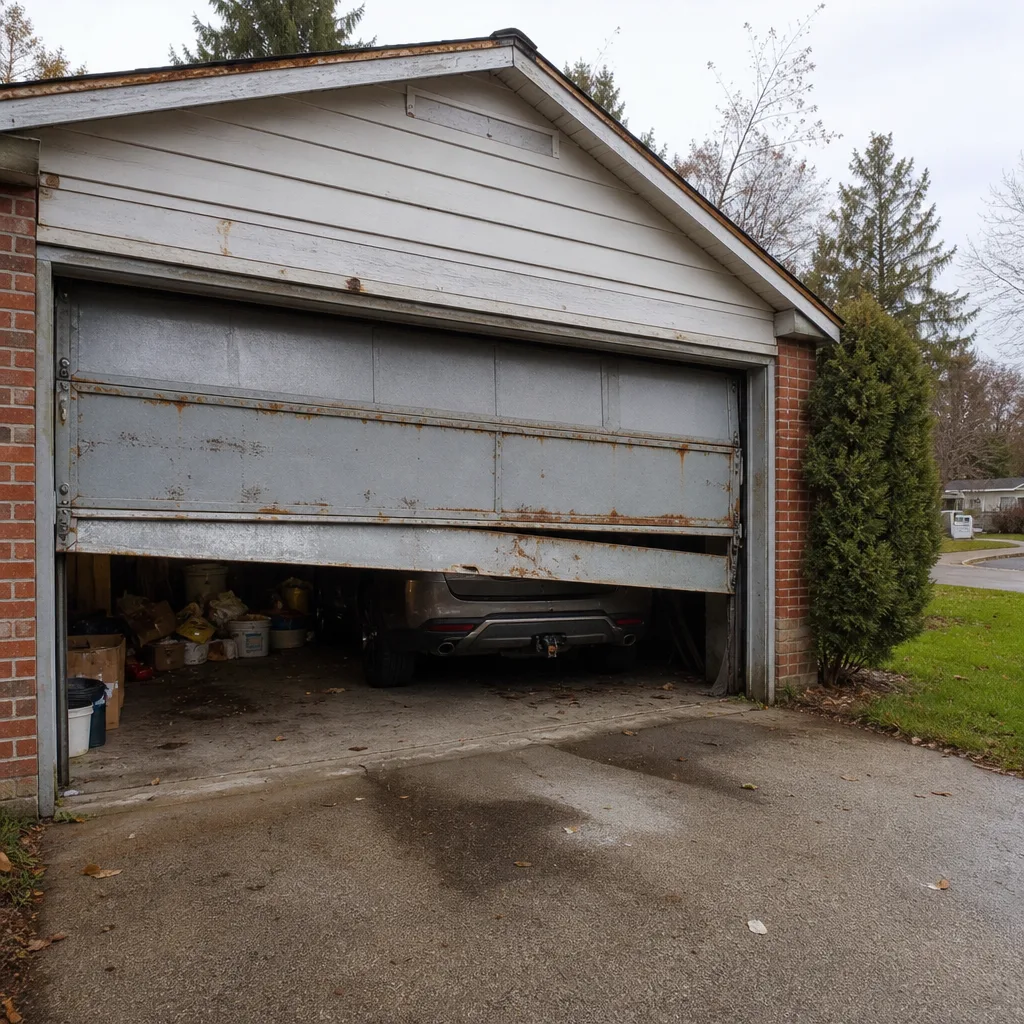 Before
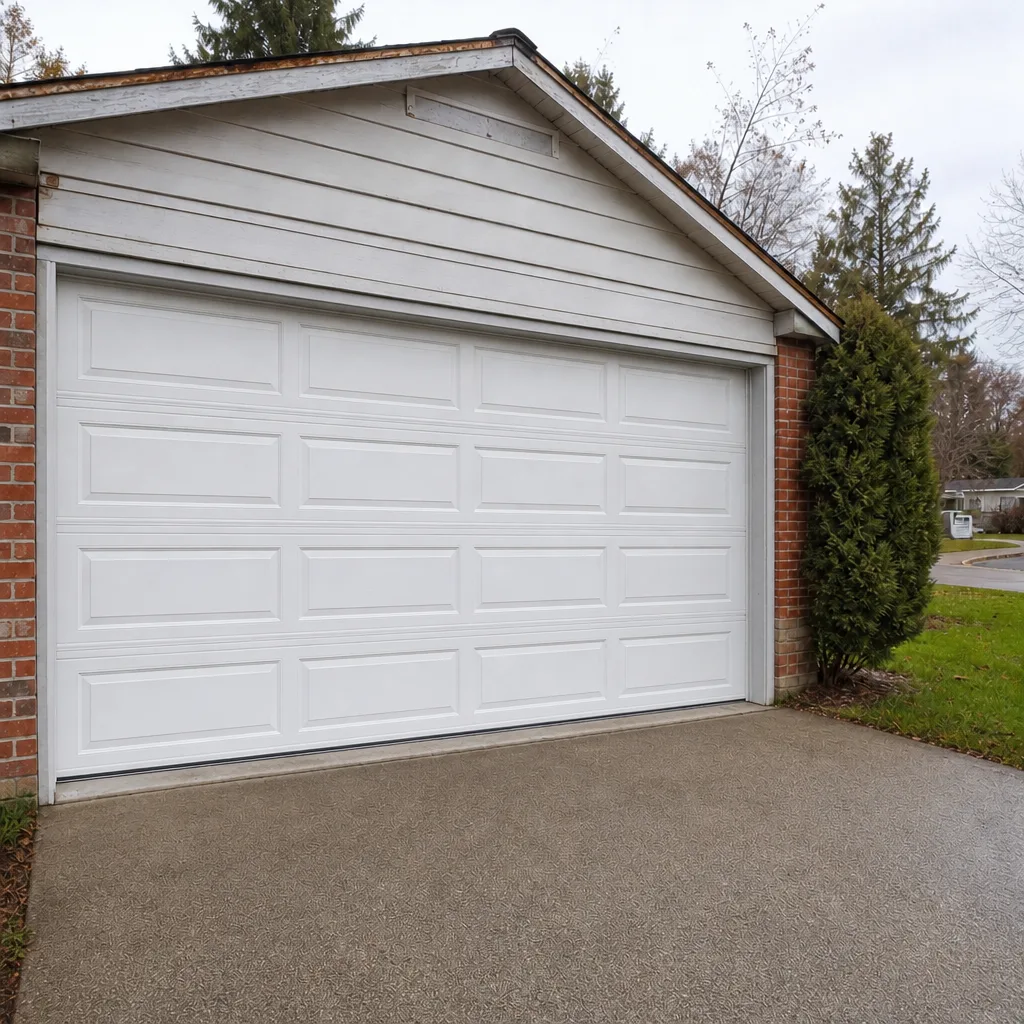 After
When to Call a Professional
Some problems are safe to sit on until your next scheduled check. Others aren’t, and calling sooner is cheaper than calling later. Get a professional involved if: you see rust or pitting on a spring; the door binds, jerks, or moves unevenly; a cable looks frayed or slack; the door is off-level or hanging crooked; the opener reverses on its own or won’t respond; or you’ve heard a sudden loud noise from the door or the opener. Any of these is a sign the door is strained, and a strained door can go from inconvenience to hazard. Call Bellevue Garage Door Repair Co. We offer free estimates in Bellevue at (877) 541-3559, and we’ll tell you what’s going on before any work starts.
Frequently Asked Questions
A full inspection once a year, ideally in the spring after the wet season, plus a quick check and lubrication in the fall before the rain arrives. Some doors need more, especially older ones or doors with visible rust on the hardware.
Because of the corrosion that builds up through the wet fall months, followed by the freeze-thaw cycles of January and February. The rust weakens the spring, and the cold triggers the failure. It’s a cumulative pattern, which is why fall lubrication and a spring inspection matter.
Yes, if the door is balanced and in good working order. It’s one of the safer homeowner jobs on a garage door. If the door is binding or hanging unevenly, have a technician look at it first, since a damaged door can be dangerous.
If the paint is intact but faded or dull, refinish it. If the paint is cracking, peeling, or worn through, repaint it. In Bellevue, the best time to do either is July or August, in the dry season.
No. A binding door strains the cable, and a strained cable can snap. Stop using the door and get it looked at. It’s one of the clearest signals that something needs professional attention.
Our technicians are trained and experienced on 8 leading brands, including LiftMaster, Chamberlain, Genie, Clopay, Amarr, Wayne Dalton, Craftsman, and Raynor. If your door runs on one of those, we already know how it behaves.
The Bottom Line
Bellevue’s seasonal garage door care doesn’t look like the national advice. The real work is moisture in the fall, freeze-thaw in the winter, UV in the summer, and a full inspection in the spring. Do the fall seal and lubrication check, watch the door on cold mornings, inspect the finish in the dry season, and run through the spring hardware sequence once a year. That’s a manageable routine, and it catches wear while it’s still cheap to fix. Springs are the one part that always needs a professional. If you’d like a trained eye on your door, call (877) 541-3559 for a free estimate.
Get Your Door on the Schedule
Whether your door is running smoothly and you want a routine check before the wet season, or you’re noticing the first signs of binding, noise, or wear, we can help. Call Bellevue Garage Door Repair Co at (877) 541-3559 for a free estimate. Our technicians have up to 14 years of experience with the major brands, and we’ll give you an honest assessment of what your door needs. One call covers the whole door.
Written by the team at Bellevue Garage Door Repair Co.